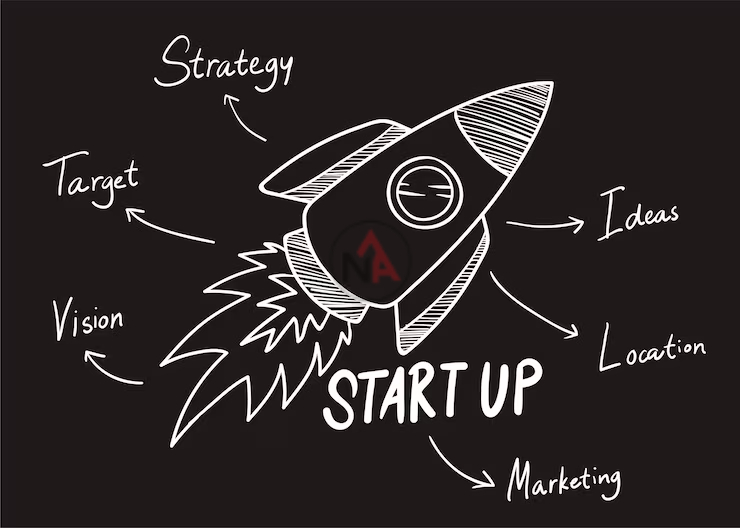
India's tech business is expected to grow by $2 trillion over the next ten years. Prayank Swaroop, an Accel partner
India could add nearly $2 trillion in market capitalisation through technology over the next decade, significantly reshaping its economic landscape, venture capital firm Accel said on Wednesday.
Speaking at the AI Impact Summit in New Delhi, Accel Partner Prayank Swaroop said, “India is going to add $2 trillion of market cap using technology in the next decade.”
Currently, technology companies account for just 4–5% of India’s total market capitalisation. Swaroop projected that this share could rise to 15–20% over the next 10 years, leading to the creation of multiple $100-billion companies. He described this as a “massive jump” and a major opportunity for Indian entrepreneurs building for both domestic and global markets.
Highlighting the rapid pace of Artificial Intelligence (AI) development, Swaroop said innovation in the sector is accelerating and will move even faster in the coming years. He encouraged startups to focus on “building for Bharat” by creating affordable, scalable solutions tailored to India’s large population.
According to Swaroop, AI has the potential to significantly reduce the cost of essential services such as healthcare, education, and financial planning. He suggested that AI-powered platforms could eventually provide services like teaching, medical advice, financial guidance, and even mental health support at highly affordable monthly costs.
Founded in 1983 and headquartered in Palo Alto, California, Accel focuses on early and growth-stage investments across sectors including cloud, SaaS, consumer tech, fintech, enterprise software, security, and AI. The firm has backed several successful Indian startups and continues to invest actively in businesses positioned to benefit from emerging AI-driven trends.
Swaroop added that while large language models (LLMs) dominated conversations last year, the focus is shifting toward agent-based systems and robotics. He noted that improvements in these technologies are happening at an increasingly rapid pace.
He also pointed out that some companies are scaling quickly, reaching revenues of $100–200 million within a year, and that Indian startups are benefiting from strong investor interest and widespread technology adoption.
“The good part for all of us here is that there is enough capital available in India if founders want to build businesses with it,” Swaroop said, highlighting a supportive funding environment for technology entrepreneurs.