AI explosion drives Samsung to $1 trillion
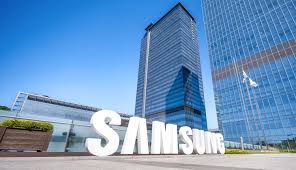
Samsung has reached a historic milestone, crossing a $1 trillion market valuation after its shares jumped more than 10% in a single day. The surge reflects growing investor confidence fueled by the global boom in artificial intelligence (AI), which has significantly increased demand for advanced semiconductor chips.
This achievement makes Samsung only the second Asian company to surpass the trillion-dollar mark, following TSMC. The milestone comes shortly after the company reported exceptionally strong quarterly earnings, with profits rising eightfold compared to the same period last year.
At the center of Samsung’s growth is its dominance in memory chip production, particularly high-bandwidth memory (HBM), which plays a critical role in powering AI systems and data centers. As companies across industries invest heavily in AI infrastructure, the demand for these chips has skyrocketed. However, supply has struggled to keep pace, leading to higher prices and improved profit margins for chipmakers like Samsung.
Adding to investor optimism are reports that Apple is exploring partnerships with Samsung and Intel to manufacture chips in the United States. Apple has traditionally relied on TSMC for chip production, so a potential deal with Samsung could signal a major shift in the global semiconductor supply chain. Such a partnership would not only diversify Apple’s manufacturing base but also strengthen Samsung’s position in the foundry business.
Despite its strong performance, Samsung faces stiff competition in the AI chip market. Rival SK Hynix is aggressively expanding its presence in the HBM segment, while Micron is also increasing production to capitalize on rising demand. These companies, along with Samsung, are prioritizing high-margin AI chips over traditional consumer electronics components.
The rapid shift toward AI-driven chip production has created a broader supply shortage across the semiconductor industry. As a result, even Samsung’s own consumer divisions — including its smartphone and television businesses — are facing higher component costs, which could impact product pricing and margins.
Labor issues also pose a potential challenge. Workers at Samsung are reportedly planning an 18-day strike later this month, demanding higher wages and a greater share of the profits generated by the AI boom. Such disruptions could affect production and add pressure on the company during a critical growth phase.
Overall, Samsung’s $1 trillion valuation highlights the transformative impact of AI on the global technology landscape. While the company is well-positioned to benefit from this trend, it must navigate competition, supply constraints, and internal challenges to sustain its momentum.