AI Talent Shortage Nears 40%, Emerging as Major Roadblock for India’s GCC Growth
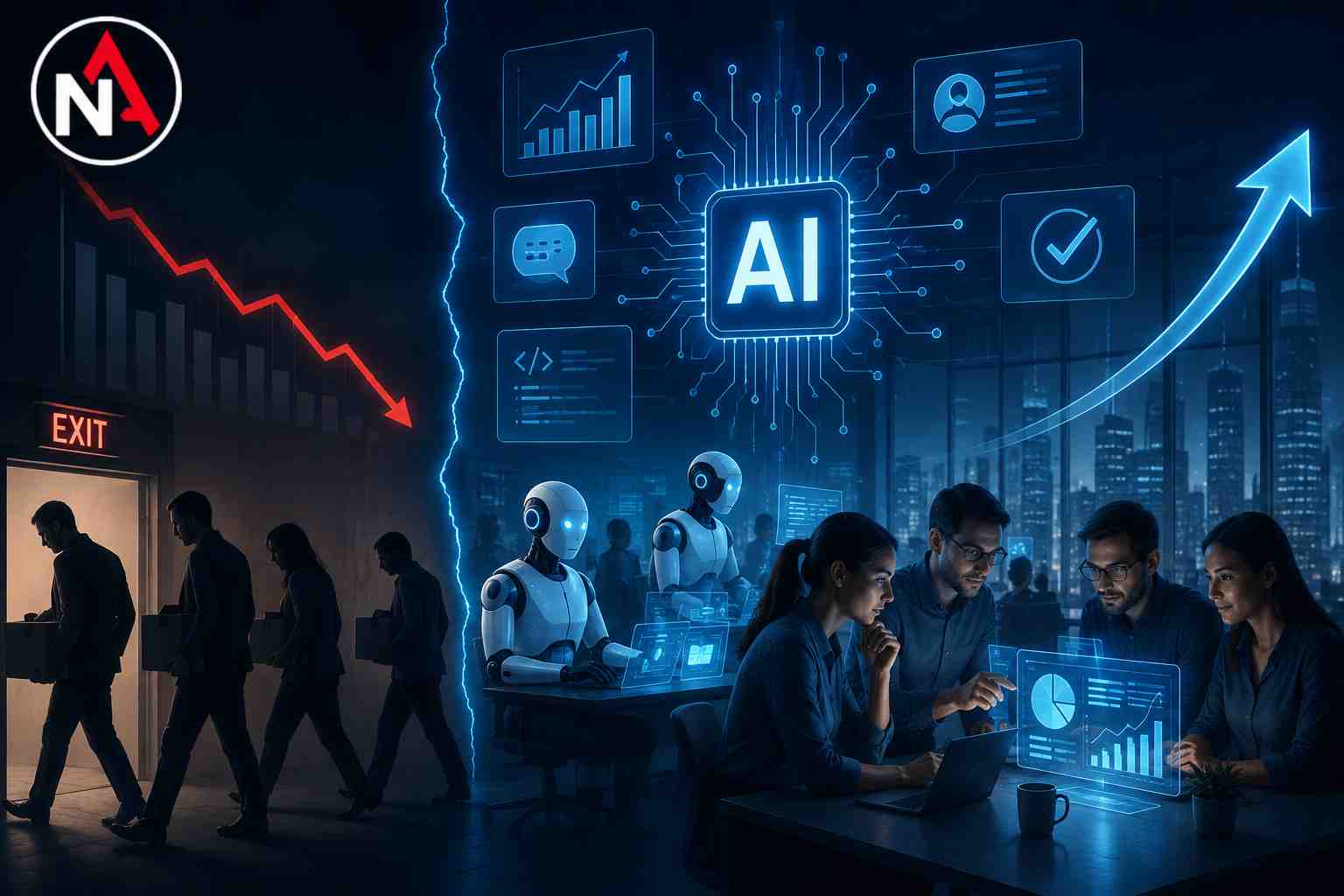
India’s Global Capability Centre (GCC) ecosystem is experiencing a significant shortage of specialised artificial intelligence and data talent, with the gap now estimated between 38% and 42%. This widening mismatch between demand and supply has emerged as the most critical barrier to sustained growth in the sector. The shortage is not temporary but structural, driven by rapid technological advancement and a limited pool of highly skilled professionals.
The most acute gaps are seen in advanced AI capabilities such as generative AI, machine learning operations (MLOps), AI observability, and large language model (LLM) fine-tuning. These are highly specialised domains that require deep expertise and practical experience. MLOps, for instance, focuses on deploying and managing AI models in real-world environments, while AI observability ensures continuous monitoring and performance tracking of these systems.
Currently, India has an estimated 400,000 core AI professionals, often referred to as AI builders. However, demand significantly exceeds supply. For every ten job openings, there are only around six qualified candidates available, highlighting a persistent and growing talent shortage. This imbalance has been increasing quarter after quarter, indicating a long-term challenge that requires systemic solutions.
The talent gap is not limited to core AI roles. There is also strong demand for professionals in cloud computing, cybersecurity, and platform engineering. These complementary skills are essential for building, deploying, and maintaining AI-driven systems, making them equally critical in the broader technology ecosystem.
Hiring trends have shifted dramatically in recent years. Around 60% of all tech hiring is now concentrated in AI, data, cloud, and cybersecurity roles, a sharp increase from approximately 30% just two years ago. This shift reflects the growing importance of digital transformation and AI adoption across industries. Despite this demand, hiring growth continues, with GCC recruitment increasing by approximately 12–14% in recent quarters.
Sector-wise, IT services and banking, financial services, and insurance (BFSI) are leading contributors to hiring demand. However, the BFSI sector is particularly affected by the AI talent shortage, with gaps reaching up to 42%. To attract skilled professionals, companies are offering salaries that are 1.5 to 2.5 times higher than those for traditional IT roles. This has intensified competition and increased overall hiring costs.
Geographically, hiring remains heavily concentrated in Tier-1 cities such as Bengaluru and Hyderabad, which account for nearly 88–90% of total GCC recruitment. While Tier-2 cities have seen some growth, contributing around 10–12% of hiring, they still lack access to advanced AI talent. As a result, many complex and high-value roles are being shifted back to metropolitan hubs, limiting the decentralisation of opportunities.
Companies are also adapting their hiring strategies to address the talent shortage. Approximately 25% of roles are now being offered on a contractual basis, allowing organisations to quickly onboard niche talent. The contract-to-hire (C2H) model is gaining popularity, as it provides flexibility and improves retention in specialised positions.
In addition to hiring challenges, employee attrition remains a significant concern. Replacement hiring now accounts for nearly 40% of total recruitment, driven by shorter job tenures, particularly among younger professionals. This trend further adds pressure on companies already struggling to find skilled talent.
Looking ahead, the GCC workforce in India is expected to grow substantially, reaching an estimated 2.5 to 2.7 million employees by 2030, with more than 2,200 centres in operation. However, sustaining this growth will depend heavily on addressing the AI talent gap through upskilling, education, and long-term workforce planning.
The current scenario highlights a critical need for investment in advanced training programs, stronger industry-academia collaboration, and scalable talent development initiatives. Without these measures, the widening AI skills gap could continue to hinder innovation and slow the expansion of India’s rapidly growing GCC ecosystem.