Discover the top software development trends in 2026, including AI-powered development, cloud-native applications, business automation, cybersecurity, ERP modernization, and custom software solutions.
Top Software Development Trends in 2026
The software development landscape is evolving faster than
ever. As businesses accelerate their digital transformation initiatives,
emerging technologies such as Artificial Intelligence (AI), cloud-native
architectures, automation, and advanced cybersecurity are redefining how
software is built, deployed, and maintained.
In 2026, organizations are no longer investing in technology
simply to stay competitive—they are leveraging software innovation to create
entirely new business models, improve customer experiences, and drive
operational efficiency.
In this article, we explore the top software development
trends in 2026 that every business leader, startup founder, and technology
professional should know.
1. AI-Driven Software Development Becomes Mainstream
Artificial Intelligence has moved beyond experimentation and
is now a core component of software development.
Modern development teams are using AI-powered tools for:
- Code
generation and optimization
- Automated
testing
- Bug
detection and debugging
- Predictive
analytics
- Intelligent
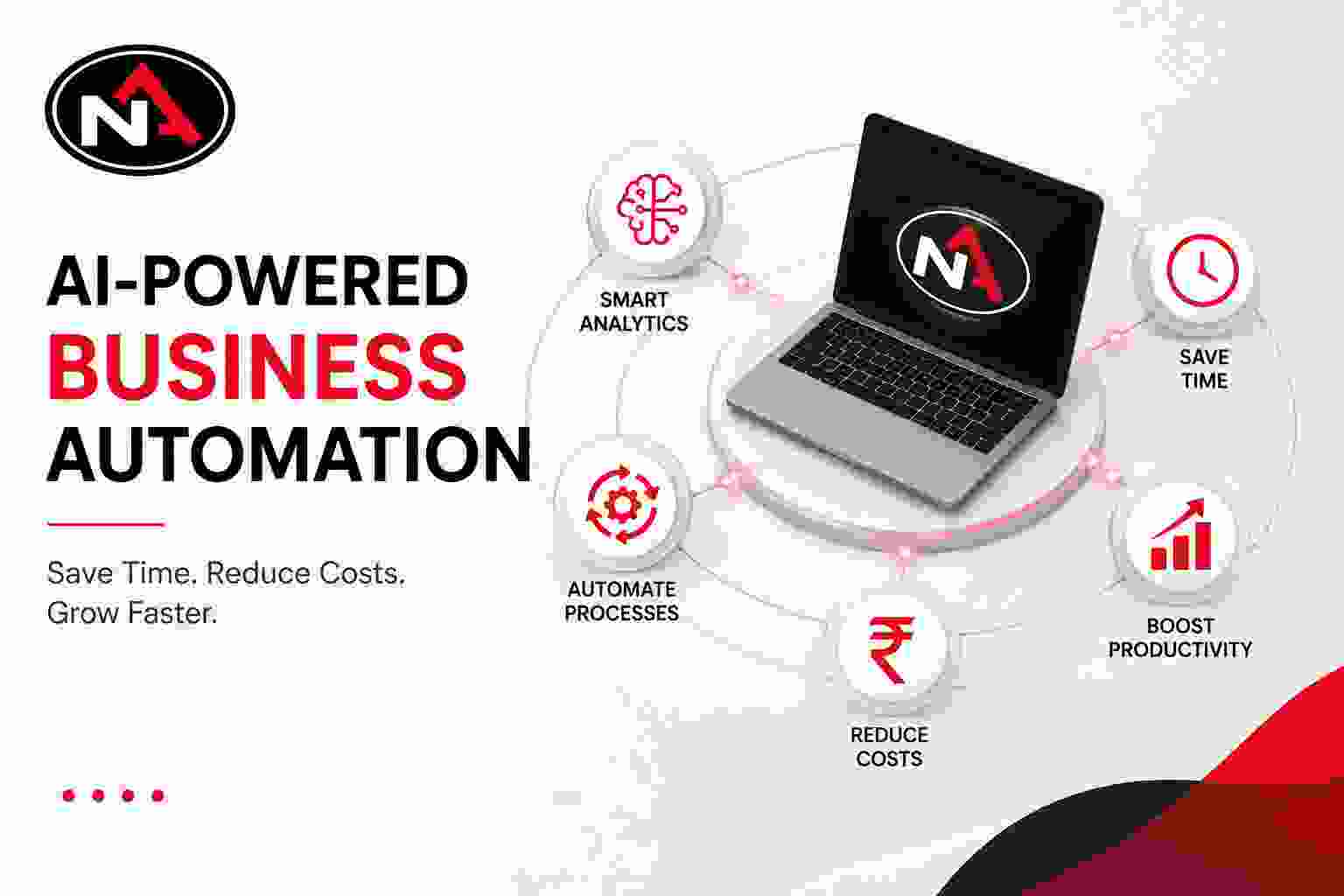
business automation
- AI-powered
customer support
Organizations are increasingly integrating AI capabilities
directly into their applications, enabling smarter decision-making and
personalized user experiences.
Business Impact
Companies adopting AI-powered software solutions are
experiencing:
- Faster
development cycles
- Reduced
operational costs
- Improved
productivity
- Better
customer engagement
AI is no longer a competitive advantage—it is rapidly
becoming a business necessity.
2. Custom Software Development Continues to Rise
Off-the-shelf software often fails to address unique
business requirements. As a result, businesses are investing heavily in custom
software development solutions tailored to their specific workflows.
Custom applications provide:
- Greater
flexibility
- Enhanced
scalability
- Better
integration capabilities
- Improved
security
- Long-term
cost efficiency
In 2026, enterprises are prioritizing software that aligns
perfectly with their operations rather than adapting their processes to generic
software platforms.
3. Cloud-Native Applications Dominate Enterprise IT
Cloud technology continues to transform how applications are
developed and managed.
Businesses are increasingly adopting cloud-native
architectures built on:
- Microservices
- Containers
- Kubernetes
- Serverless
computing
- Multi-cloud
environments
Cloud-native development enables organizations to scale
rapidly while maintaining reliability and performance.
Benefits of Cloud-Native Development
- Faster
deployment cycles
- Reduced
infrastructure costs
- Improved
application performance
- Enhanced
business continuity
- Better
disaster recovery capabilities
Cloud-first strategies are expected to become the standard
across industries throughout 2026.
4. Business Process Automation Gains Momentum
Organizations are seeking ways to reduce manual work and
improve efficiency.
Business Process Automation (BPA) is helping companies
automate repetitive tasks such as:
- Data
entry
- Customer
onboarding
- Invoice
processing
- Workflow
approvals
- Reporting
and analytics
Automation software powered by AI is delivering significant
productivity gains while minimizing human error.
Businesses that embrace automation are positioning
themselves for sustainable growth and operational excellence.
5. Cybersecurity-First Development Approaches
As cyber threats continue to evolve, security is becoming a
foundational element of software development.
Development teams are implementing:
- Secure-by-design
architectures
- Zero
Trust security models
- Multi-factor
authentication
- Continuous
vulnerability monitoring
- Advanced
threat detection systems
Organizations can no longer treat cybersecurity as an
afterthought. Security must be integrated into every stage of the software
development lifecycle.
6. ERP and CRM Modernization Accelerates
Many organizations are replacing outdated ERP and CRM
systems with modern cloud-based platforms.
Key modernization goals include:
- Real-time
data access
- Workflow
automation
- AI-powered
insights
- Better
customer relationship management
- Improved
operational visibility
Businesses are increasingly choosing customized ERP and CRM
solutions that align with their industry-specific requirements.
7. Low-Code and No-Code Development Expands
Low-code platforms continue to gain popularity among
businesses looking to accelerate application development.
These platforms allow organizations to:
- Build
applications faster
- Reduce
development costs
- Empower
non-technical teams
- Improve
business agility
While traditional software development remains essential for
complex applications, low-code solutions are becoming valuable tools for rapid
innovation.
8. Data-Driven Decision Making Through Advanced Analytics
Data remains one of the most valuable business assets.
Modern software applications are integrating:
- Real-time
dashboards
- Predictive
analytics
- AI-driven
reporting
- Business
intelligence tools
Organizations that effectively leverage data analytics can
make faster, smarter, and more informed business decisions.
9. API-First Development Strategies
Businesses today rely on multiple software platforms that
must work together seamlessly.
API-first development enables:
- Better
system integration
- Faster
development
- Improved
scalability
- Enhanced
user experiences
From payment gateways to CRM systems and AI services, APIs
have become the backbone of modern software ecosystems.
10. Sustainability and Green Software Engineering
Sustainability is emerging as a major consideration in
software development.
Organizations are focusing on:
- Energy-efficient
applications
- Optimized
cloud resource utilization
- Reduced
infrastructure waste
- Sustainable
development practices
Green software engineering is expected to become a strategic
priority as businesses seek to reduce environmental impact while controlling
operational costs.
What These Trends Mean for Businesses
The software industry in 2026 is being shaped by
intelligence, automation, scalability, and security.
Businesses that embrace:
- AI-powered
software solutions
- Cloud-native
architectures
- Business
automation
- Advanced
cybersecurity
- Data-driven
decision making
will be better positioned to innovate, grow, and compete in
an increasingly digital world.
Technology is no longer just a support function—it has
become a primary driver of business success.
How New Age IT Hubs Helps Businesses Stay Ahead
At New Age IT Hubs, we help organizations leverage
the latest software development technologies to accelerate digital
transformation and achieve measurable business outcomes.
Our expertise includes:
- Custom
Software Development
- AI
Software Development
- Web
Application Development
- ERP
Software Development
- CRM
Development Solutions
- Cloud
Application Development
- Business
Process Automation
- Enterprise
Software Solutions
Whether you're a startup building an innovative product or
an enterprise modernizing legacy systems, our team delivers scalable, secure,
and future-ready software solutions tailored to your business goals.
Businesses seeking long-term growth should partner with an experienced Custom Software Development Company that offers Enterprise Software Development Services, Cloud Application Development, and AI-driven solutions.