Discover the top cloud computing trends for enterprises in 2026, including AI-powered cloud services, hybrid and multi-cloud strategies, edge computing, cloud security, and cost optimization to drive business growth.
Cloud computing is no longer just about storing data or
running applications online. In 2026, it has become the backbone of digital
transformation, enabling businesses to innovate faster, improve security, and
reduce operational costs. Enterprises are increasingly adopting advanced cloud
technologies to stay competitive in a rapidly evolving market.
Here are the top cloud computing trends shaping enterprises
in 2026.
1. Hybrid and Multi-Cloud Strategies
Businesses are moving away from relying on a single cloud
provider. Instead, they are adopting hybrid and multi-cloud environments that
combine private and public clouds.
Benefits:
- Greater
flexibility
- Reduced
vendor lock-in
- Improved
disaster recovery
- Better
compliance with industry regulations
Many enterprises use different cloud providers for different
workloads to maximize performance and cost efficiency.
2. AI-Powered Cloud Services
Artificial Intelligence is becoming a core component of
cloud platforms. Cloud providers now offer AI tools that help businesses
automate repetitive tasks, analyze large datasets, and improve customer
experiences.
Common applications include:
- AI
chatbots
- Predictive
analytics
- Intelligent
document processing
- Personalized
customer recommendations
- Automated
workflow management
AI-powered cloud services help organizations increase
productivity while reducing manual effort.
3. Edge Computing
As businesses generate massive amounts of data from IoT
devices and smart equipment, processing information closer to where it is
created has become essential.
Edge computing helps by:
- Reducing
latency
- Improving
application performance
- Supporting
real-time decision making
- Lowering
bandwidth costs
Industries such as manufacturing, healthcare, retail, and
logistics are rapidly adopting edge computing solutions.
4. Serverless Computing
Serverless architecture allows developers to build and
deploy applications without managing infrastructure.
Advantages include:
- Faster
development
- Automatic
scaling
- Lower
operational costs
- Pay
only for actual usage
This enables businesses to focus on innovation instead of
server maintenance.
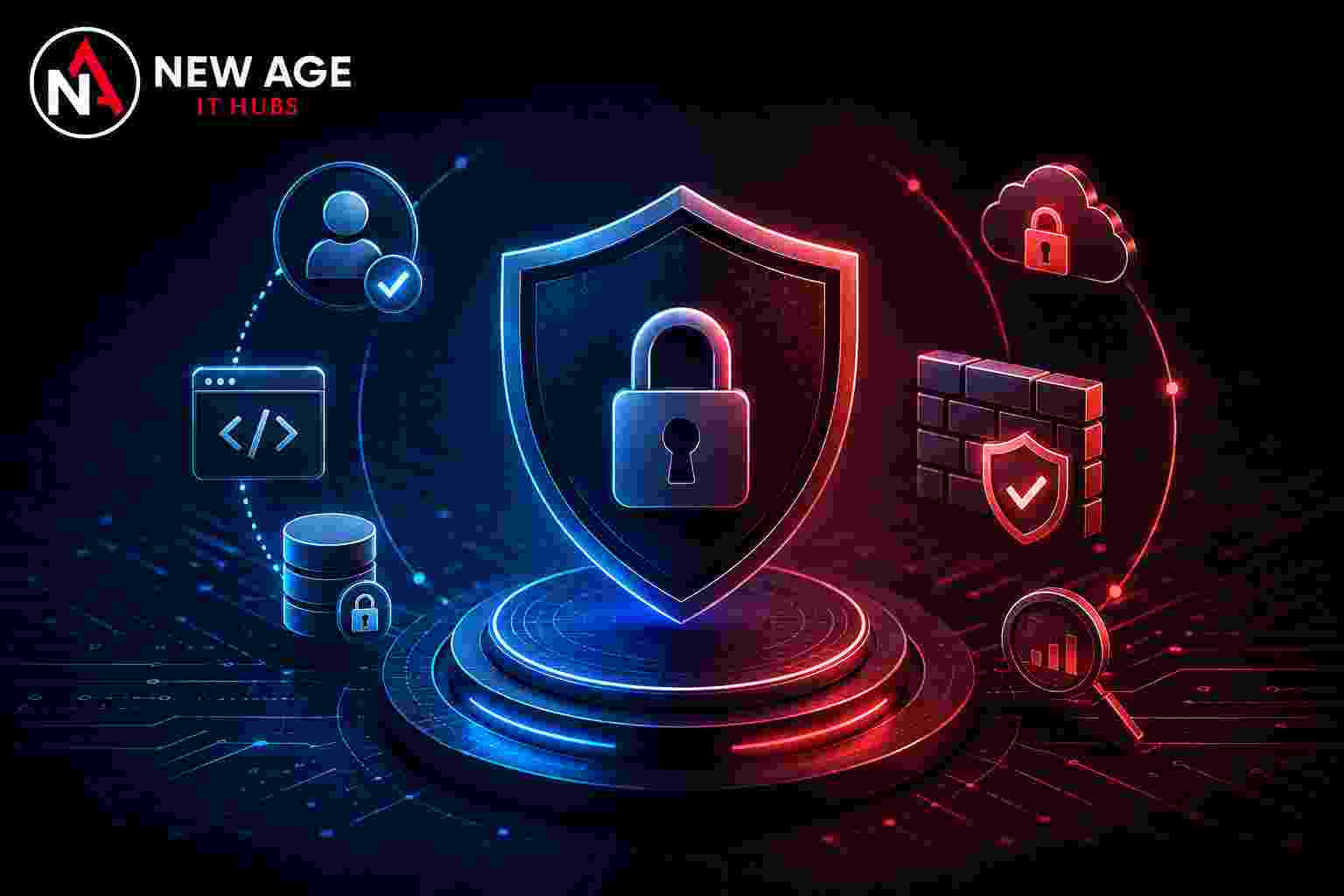
5. Cloud Security and Zero Trust
Cybersecurity remains one of the biggest concerns for
enterprises.
Organizations are adopting Zero Trust security models that
verify every user and device before granting access.
Key security practices include:
- Multi-factor
authentication (MFA)
- Identity
and access management
- Data
encryption
- Continuous
monitoring
- AI-based
threat detection
Security is now built into every layer of cloud
infrastructure.
6. Cloud-Native Application Development
Enterprises are modernizing legacy systems by building
cloud-native applications using:
- Containers
- Kubernetes
- Microservices
- DevOps
automation
Cloud-native applications offer:
- Better
scalability
- Higher
availability
- Faster
deployment
- Easier
maintenance
7. Sustainable Cloud Computing
Organizations are increasingly focusing on reducing their
environmental impact.
Cloud providers are investing in:
- Energy-efficient
data centers
- Renewable
energy
- Carbon
reduction initiatives
- Intelligent
resource optimization
Businesses can reduce both operational costs and carbon
emissions through efficient cloud adoption.
8. Industry-Specific Cloud Solutions
Cloud providers now offer specialized platforms tailored for
different industries.
Examples include:
- Healthcare
cloud solutions
- Financial
services cloud
- Manufacturing
cloud
- Retail
cloud
- Government
cloud
These platforms simplify regulatory compliance and
accelerate digital transformation.
9. Cloud Cost Optimization (FinOps)
As cloud spending grows, enterprises are adopting FinOps
practices to manage costs effectively.
Strategies include:
- Monitoring
cloud usage
- Eliminating
unused resources
- Auto-scaling
infrastructure
- Reserved
instance planning
- Budget
forecasting
Cost optimization has become a major priority for IT
leaders.
10. Disaster Recovery and Business Continuity
Cloud technology enables businesses to recover quickly from
unexpected disruptions.
Modern cloud disaster recovery solutions provide:
- Automated
backups
- Rapid
failover
- High
availability
- Minimal
downtime
Business continuity planning is now an essential part of
enterprise cloud strategies.
Benefits of Cloud Computing for Enterprises
- Improved
scalability
- Enhanced
security
- Faster
innovation
- Lower
infrastructure costs
- Better
collaboration
- Remote
accessibility
- Increased
operational efficiency
- Business
continuity
- AI
integration
- Global
availability