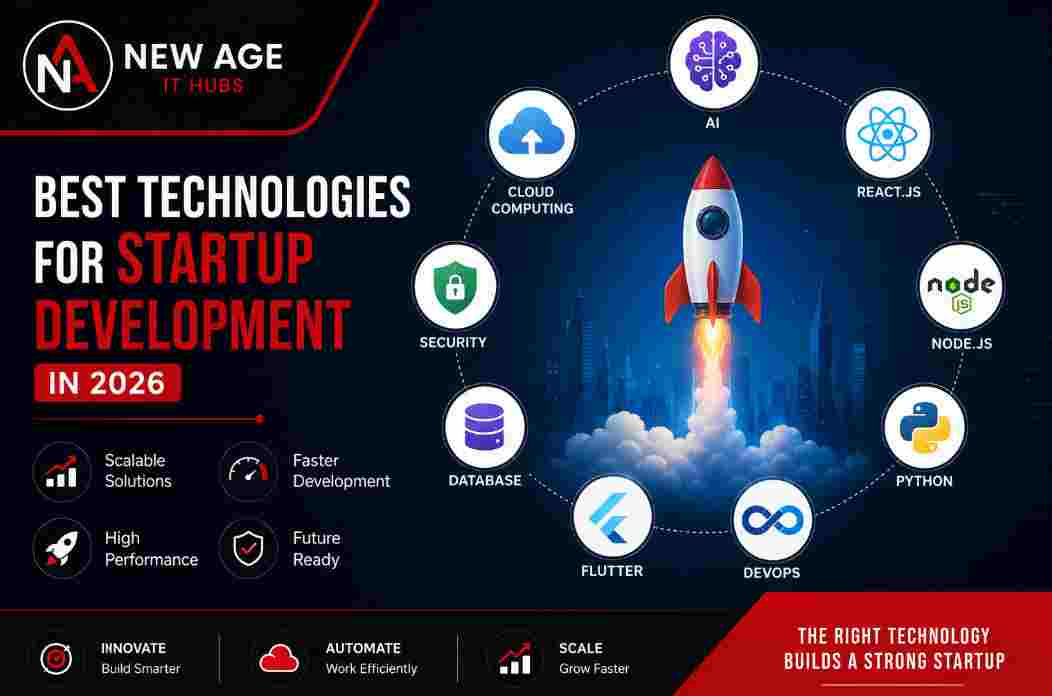
Discover the best technologies for startup development in 2026. Explore AI, cloud computing, React, Flutter, Node.js, Python, and modern tech stacks to build scalable, secure, and high-performance startup applications.
Best Technologies for Startup Development in 2026
Building a successful startup requires more than a great
idea—it demands the right technology stack. The technologies you choose during
the early stages of development directly impact your product's scalability,
performance, security, and future growth. Whether you're creating a mobile app,
SaaS platform, eCommerce solution, or AI-powered application, selecting modern
and reliable technologies can help reduce development costs and accelerate your
time to market.
One of the most important technologies for startups in 2026
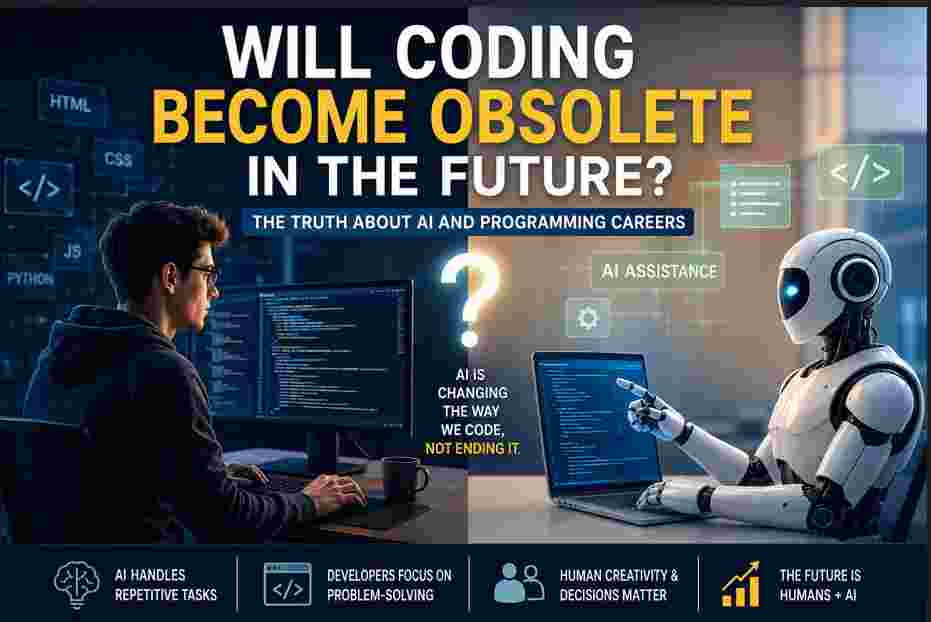
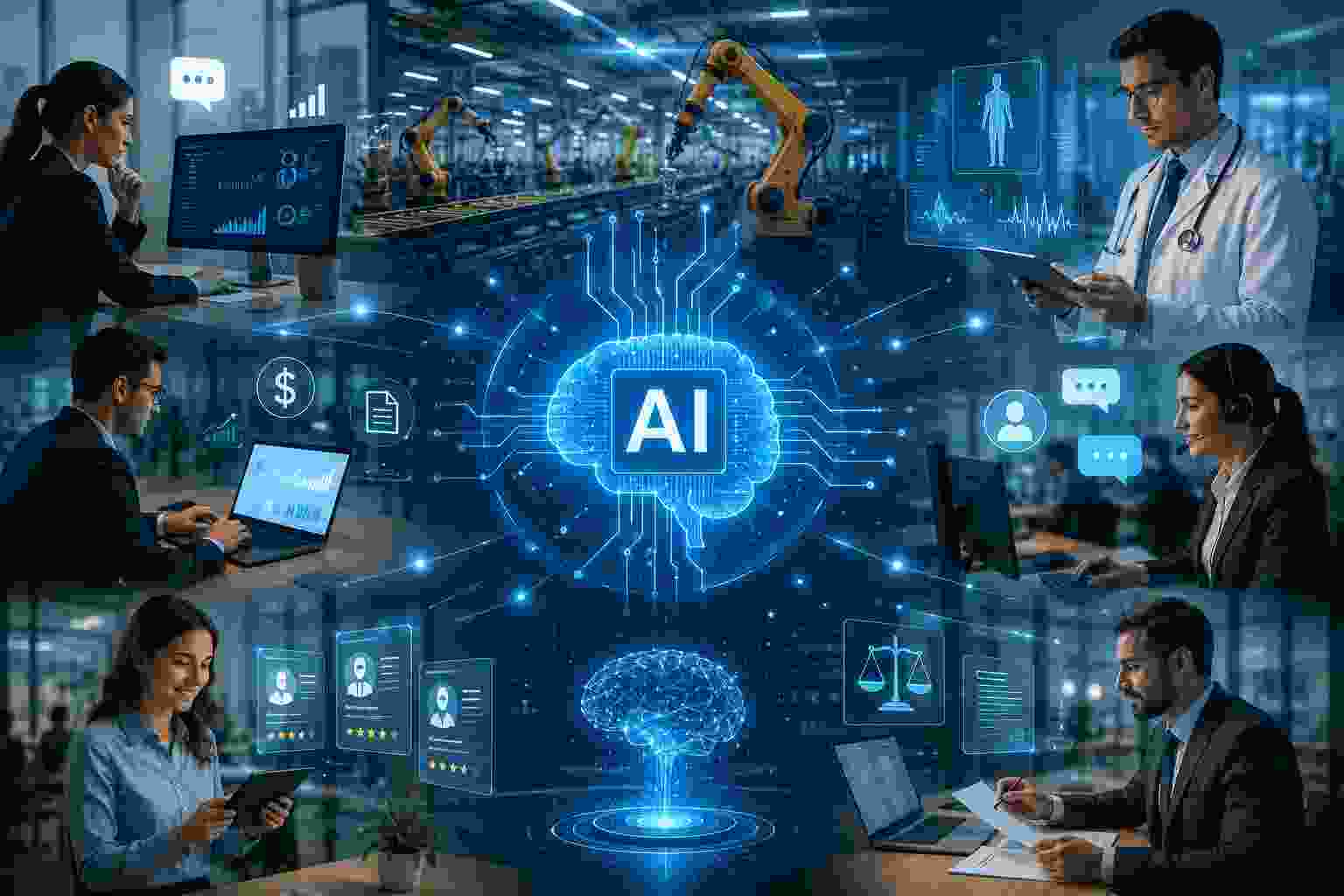
is Artificial Intelligence (AI). AI is transforming the way
businesses operate by automating repetitive tasks, improving customer
experiences, and providing valuable insights through data analysis. Startups
are increasingly integrating AI-powered chatbots, recommendation systems, predictive
analytics, and workflow automation into their applications to gain a
competitive advantage. AI not only enhances operational efficiency but also
enables businesses to deliver personalized services to their customers.
Cloud Computing is another essential technology
for startup development. Instead of investing heavily in physical servers and
infrastructure, startups can leverage cloud platforms to build scalable and
cost-effective applications. Cloud solutions allow businesses to scale
resources as demand grows, ensuring high availability, secure data storage, and
reliable backup systems. This flexibility makes cloud computing an ideal choice
for startups with limited budgets and rapidly changing requirements.
For web application development, React.js continues
to be one of the most popular frontend technologies. Developed for building
modern, interactive, and responsive user interfaces, React enables developers
to create fast-loading web applications with reusable components. Its large
developer community, rich ecosystem, and excellent performance make it a
preferred choice for startups looking to build feature-rich web platforms.
When it comes to backend development, Node.js and Python are
among the best options. Node.js is known for its speed, scalability, and
ability to handle multiple user requests simultaneously, making it ideal for
real-time applications such as chat platforms, collaboration tools, and online
marketplaces. Python, on the other hand, is highly versatile and widely used
for AI, machine learning, automation, and data-driven applications. Its clean
syntax and extensive libraries help startups accelerate development while
maintaining high code quality.
For mobile application development, Flutter has
become a leading framework for startups. Flutter enables developers to build
high-performance Android and iOS applications using a single codebase, reducing
both development time and maintenance costs. This cross-platform capability
allows startups to launch products faster while ensuring a consistent user
experience across multiple devices.
As startups grow, DevOps practices become
increasingly important. DevOps combines software development and IT operations
to automate testing, deployment, and infrastructure management. Continuous
Integration (CI) and Continuous Deployment (CD) pipelines help development
teams release updates quickly, improve software quality, and minimize downtime.
By adopting DevOps early, startups can maintain agility while scaling their
products.
Cybersecurity is another critical aspect of startup
development. Customers expect their personal and financial information to
remain secure, making robust security measures essential. Implementing secure
authentication, data encryption, regular security audits, role-based access
control, and compliance with industry standards helps startups protect
sensitive information and build customer trust.
Database selection also plays a significant role in
application performance. Relational databases such as PostgreSQL and MySQL are
excellent for structured business applications, while NoSQL databases like
MongoDB provide flexibility for applications handling large volumes of
unstructured data. Choosing the appropriate database depends on the project's
architecture, scalability requirements, and expected workload.
Finally, startups should focus on building a Minimum
Viable Product (MVP) before investing in advanced features. An MVP
allows businesses to validate their ideas, gather user feedback, and improve
the product based on real customer needs. Using modern technologies such as AI,
cloud computing, React, Flutter, Node.js, and Python enables startups to
develop scalable MVPs quickly while minimizing development costs.
In conclusion, selecting the right technologies is one of
the most important decisions for any startup. A modern technology stack
improves application performance, enhances security, supports future
scalability, and accelerates product development. Startups that invest in
innovative technologies and adopt best development practices are better
positioned to compete in today's digital marketplace. Whether you're launching
a SaaS platform, enterprise software, mobile application, or AI-powered
solution, choosing the right tools from the beginning can significantly
increase your chances of long-term success.
Enterprise-Level Development Technologies (Summary)
Enterprise software development requires technologies that
deliver high performance, scalability, security, and reliability.
For modern enterprise applications in 2026, React.js or Angular are
excellent choices for building responsive frontends, while ASP.NET Core
(.NET), Java Spring Boot, Node.js, and Python are
preferred backend technologies. Databases such as Microsoft SQL Server, PostgreSQL,
and MongoDB ensure secure and efficient data management. Cloud
platforms like Microsoft Azure, AWS, and Google
Cloud Platform (GCP) provide scalable infrastructure, while Docker, Kubernetes,
and Azure DevOps streamline deployment and maintenance. For
AI-powered enterprise solutions, technologies like OpenAI APIs, Python,
and Azure AI enable intelligent automation and data-driven
decision-making. Together, these technologies form a robust foundation for
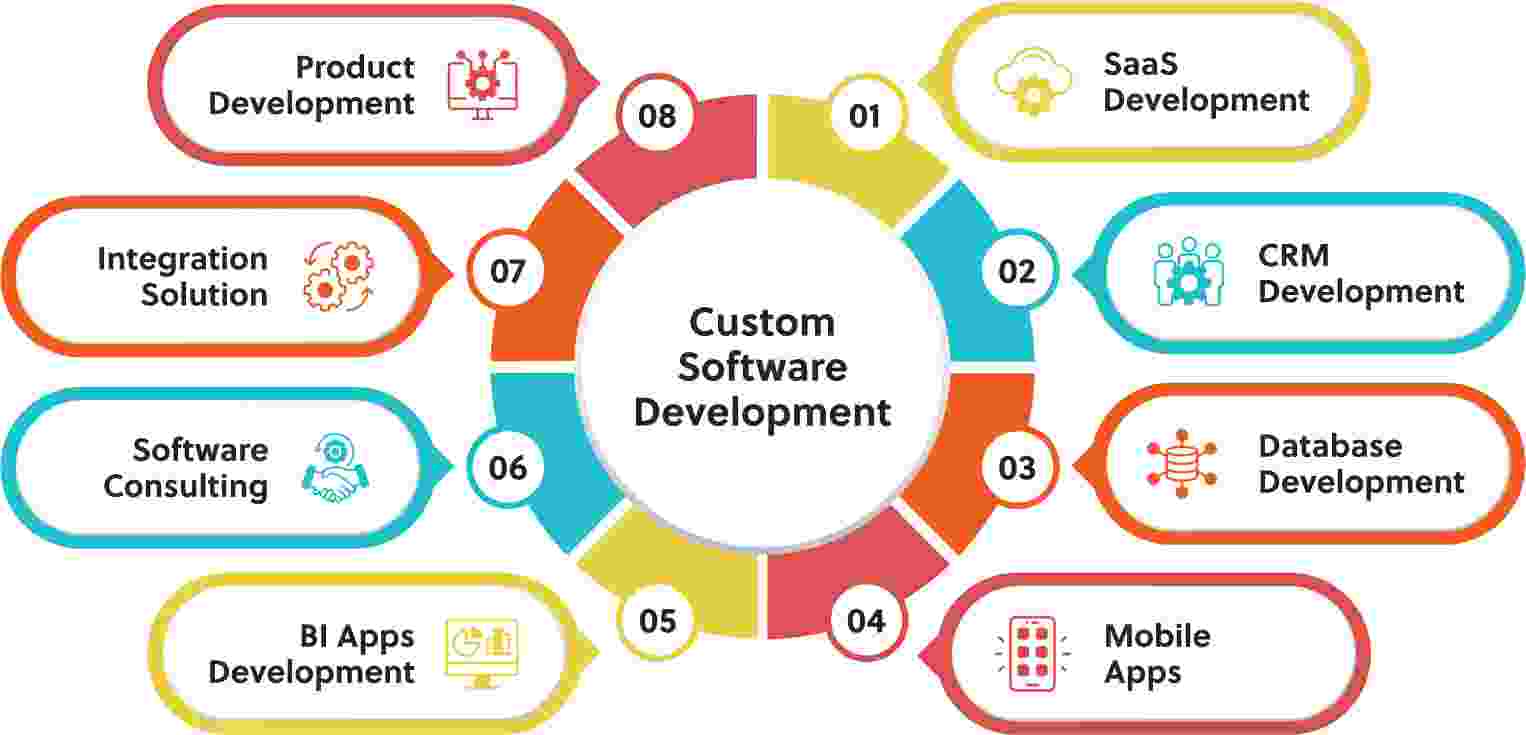
developing enterprise applications such as ERP, CRM, HRMS, healthcare systems,
finance platforms, manufacturing software, and business automation solutions.